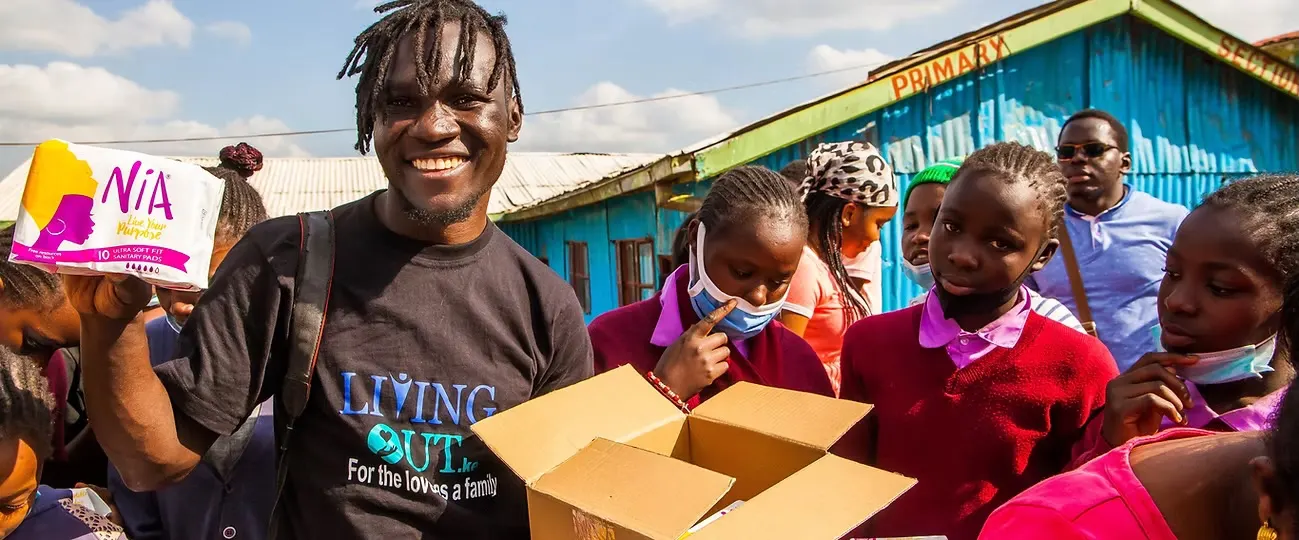
Ending period poverty. Growing confident young people.
No girl should miss school, or lose her life, because of her period.
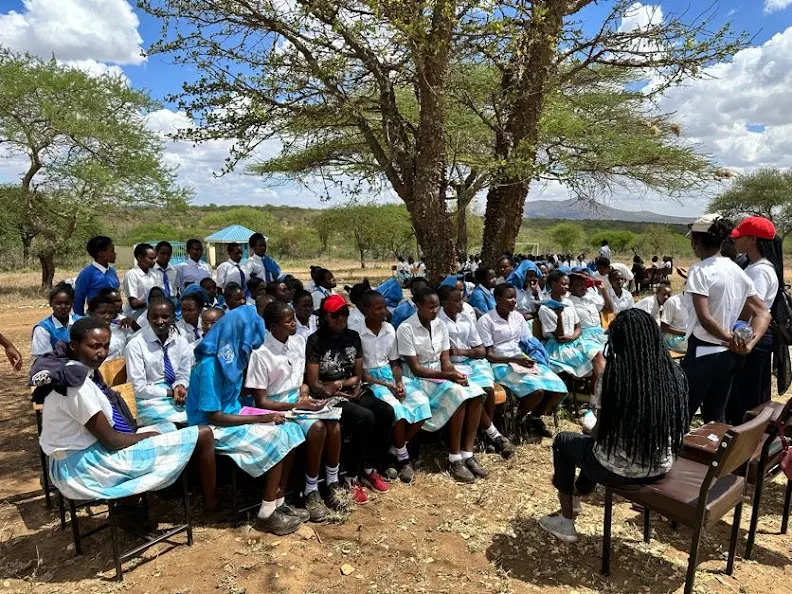
Nawiri keeps adolescent girls in class with sanitary towels and honest answers about their bodies. We go further: boys learn to be allies, and every young person builds the confidence and life skills to thrive. We bring it all to the schools, churches and communities they already belong to.
Make a gift today
KES 200 supports one teen for a month
Give KES 200 a monthM-Pesa, card or bank. Till 5852611.
Since 2019
4,500+ girls reached
And 80,000+ sanitary towels handed out, through 25 schools, churches and communities. Counted by us, dated on every page.
See our impactHow Nawiri works
It starts with the period. It doesn’t stop there.
Pads without the conversation last a month. The conversation without pads keeps a girl at home. So we do both, and we keep going: mentorship, a safe space for open questions, and life skills that last a lifetime.
Every session carries all three
Every Nawiri session carries
- Girls learn what a period is, and that it is nothing to hide
- Boys learn to understand it, and to stand beside the girls in their lives as allies
- Every young person builds life skills through the Nawiri module, on topics such as self-esteem, relationships and drug abuse, and more
- Girls leave with sanitary towels, so no week of school is lost
- Young people explore practical skills, such as soap making, that they can use to earn

Why we exist
It started with a girl who should still be here.
In 2019, Jackline Chepng’eno, a 14-year-old girl in Bomet County, took her own life after a teacher shamed her for soiling her skirt on her first period. Many girls begin their periods without knowing what to expect. The silence, the shame and the missing pads are all fixable. That is the work.
Our story began with the period. Today, Nawiri also helps girls and boys build the confidence and life skills to thrive.
Read our storyGlobal goals
The work sits under five Sustainable Development Goals
Periods touch health, school, equality and sanitation at once. Life skills for boys and girls reach further, into fairer opportunity. That’s why the sessions, the supplies and the skills go together.
See how the work maps
What we do
Three ways we reach young people
Every young person receives the same quality of education, whatever their school or financial background. What differs is how the programme is funded and delivered.
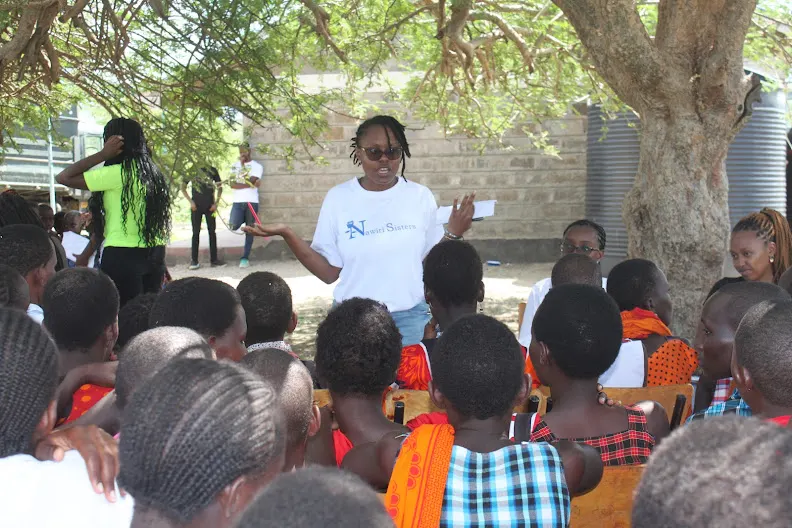
Reproductive health education, life skills mentorship and essential care supplies for underserved schools and communities. Fully sponsored, so there is no cost to the school or family.
How outreach works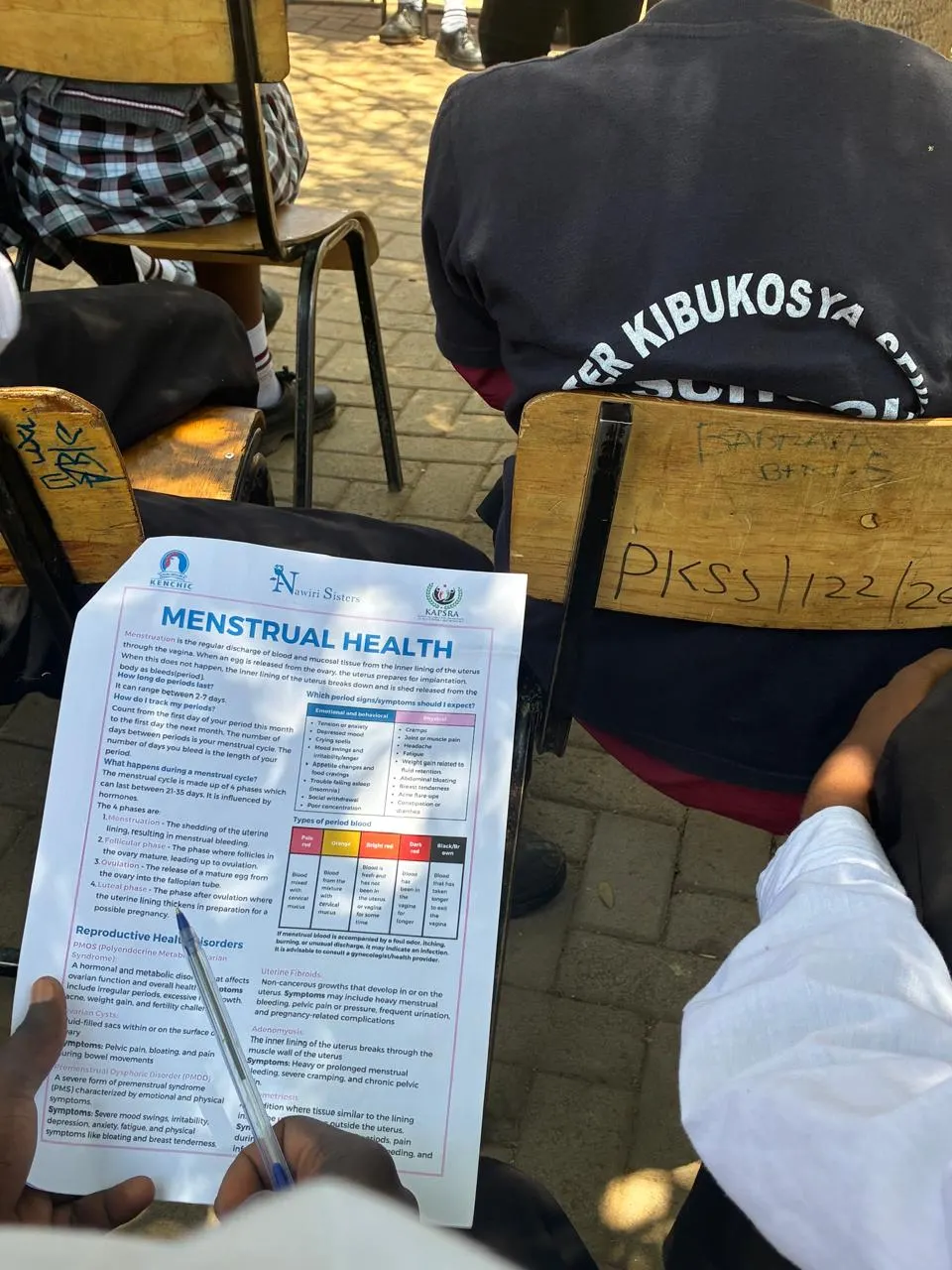
Structured, age-appropriate reproductive health education, mentorship and life skills for private schools. Programme fees help sponsor our outreach to underserved communities.
Partner your school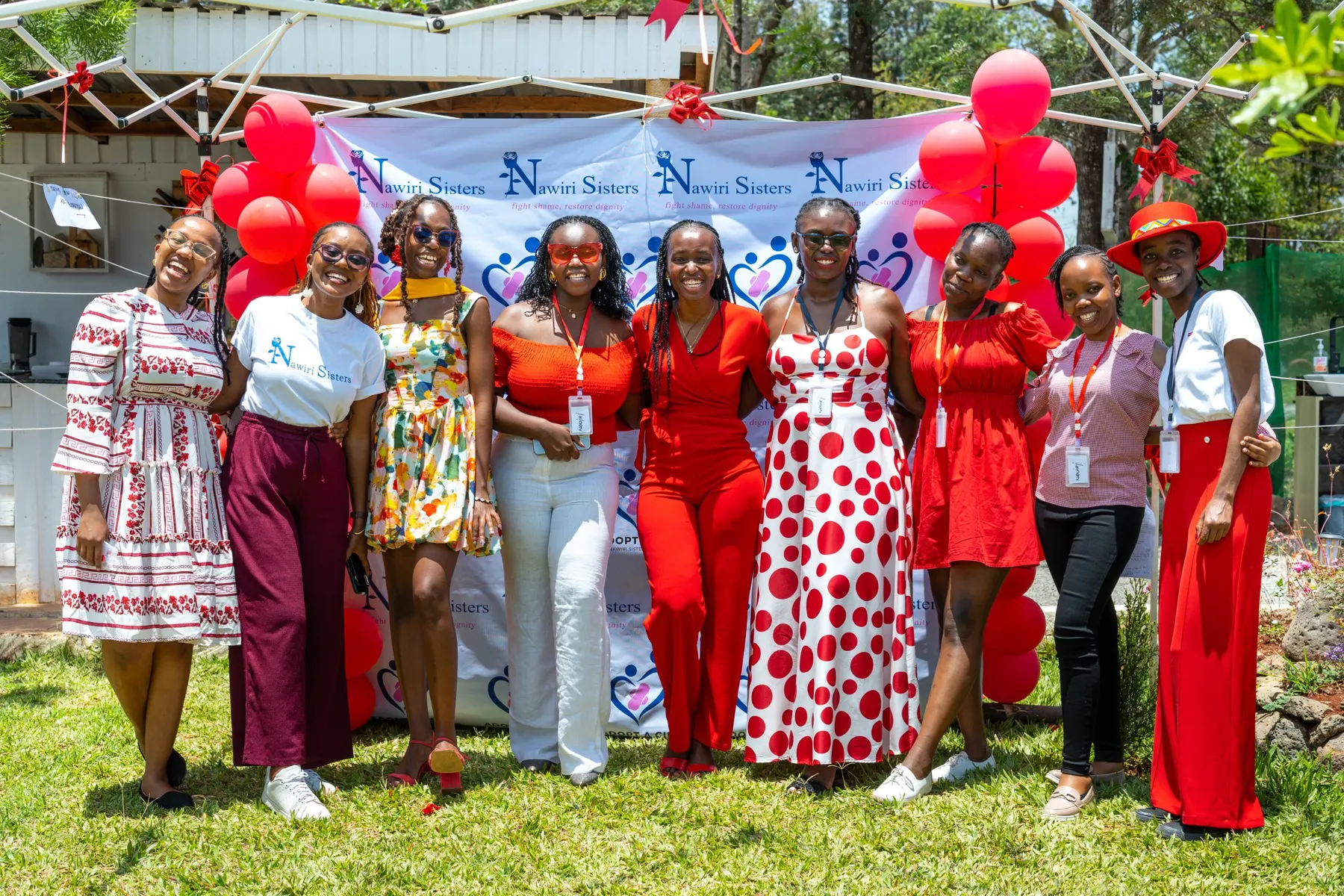
Teen-friendly celebrations of a girl’s first period and a boy’s passage after circumcision, with fun, mentorship and care packages. Proceeds help sponsor our outreach.
See the parties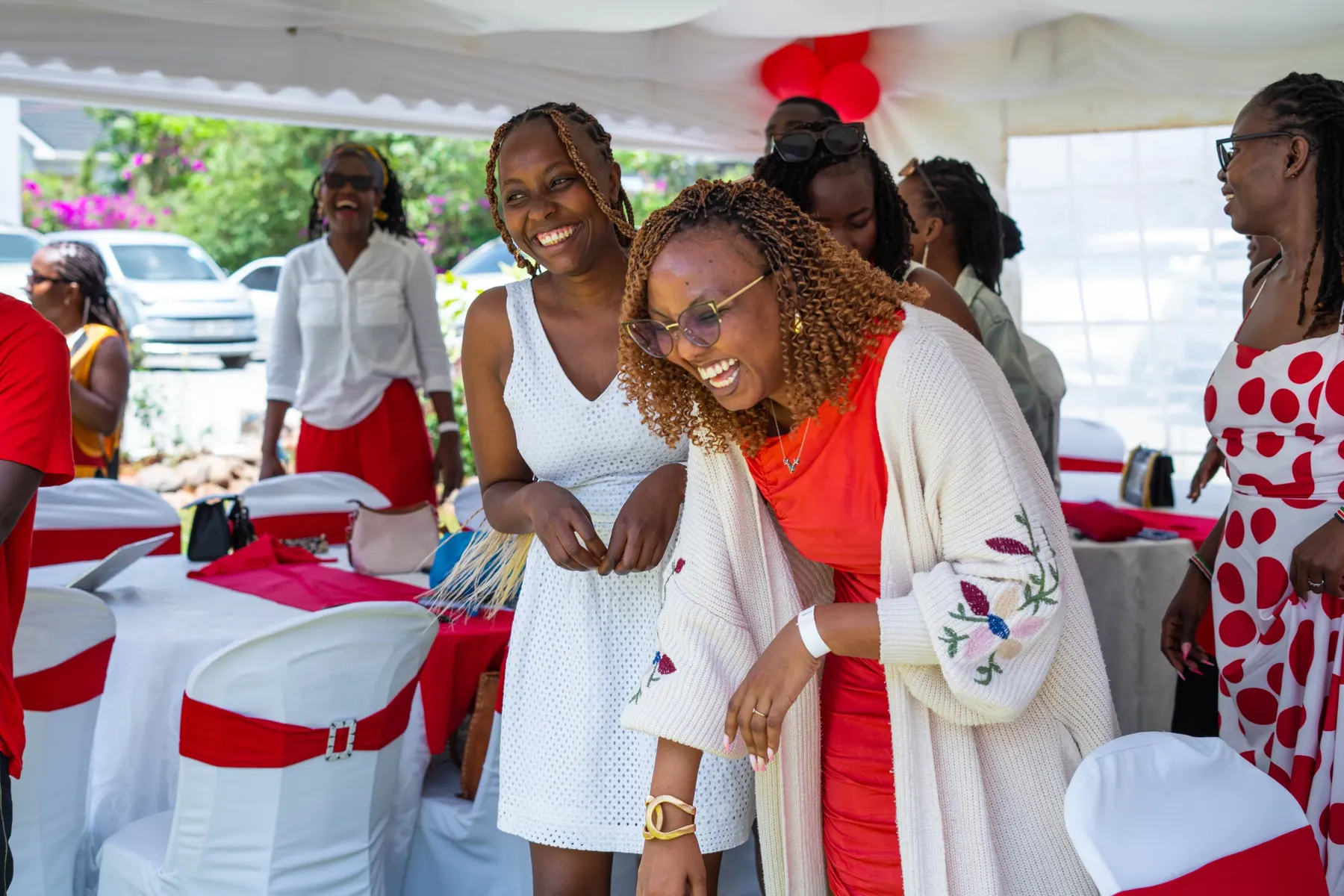
One public day that breaks the silence, and raises the money for the rest of the year.
See our eventsWhat your gift does
See your gift in teens and months
Pick an amount. We’ll show you what it keeps going.
KES 2,400
1 teen for a whole year
12 teen-months. Based on KES 200 for one teen for one month: essential care supplies, mentorship and a place in the session.
Give this amountSince 2019
Counted by us, dated on every page
Every figure carries the period it covers and where it came from. The full count, year by year, is on the Impact page.
See our impactWatch
Nawiri Sisters Foundation
Who we are
Questions and answers
What people ask before they give
Short answers. If yours isn't here, write to us. Contact us.
What does Adopt a Teen actually pay for?
Rwabe is KES 200 a month, Mwaka is KES 2,400 a year, Silver is KES 6,000, Gold is KES 12,000. Rwabe: One teen’s essential care supplies, mentorship and life skills training for one month. Mwaka: One teen for a whole year. Silver: One teen for two and a half years. Gold: One teen for five years.
How do I give from Kenya?
By M-Pesa on the Adopt a teen page, or Lipa na M-Pesa, Buy Goods and Services, till 5852611.
How do I give from abroad?
By Visa or Mastercard on the Adopt a teen page. KES 200 is about USD 2; your bank converts at the day’s rate.
Where do you work?
In more than 25 schools, churches and community groups across Kenya, from our base in Nairobi.
Do you work with boys too?
Yes. Period poverty is where we start, and girls remain at the heart of the work. But periods affect whole communities, so boys join our sessions to learn to be allies, and girls and boys take part in the Nawiri module’s life skills together.
Does my school pay for the programme?
Our community outreach is fully sponsored by donors, partners and the fees from our school wellness partnerships, so underserved schools and families pay nothing. Private schools pay a programme fee for the same quality of programme, and that fee helps sponsor outreach in underserved communities.
Can my school or church host a session?
Yes. Tell us the institution, the county and the number of learners on the Bring Nawiri to you page.
How do you keep young people safe?
We work with minors, so nobody is ever alone with a young person, and no photo or story is published without written consent from them and a parent or guardian.
Six ways in
Six doors. One of them is yours.
Give, celebrate, shop, partner, volunteer or show up. Every door leads to a young person learning with dignity.